
10 Critical Mistakes to Avoid When Building a Mountain Home
10 Critical Mistakes to Avoid When Building a Mountain Home
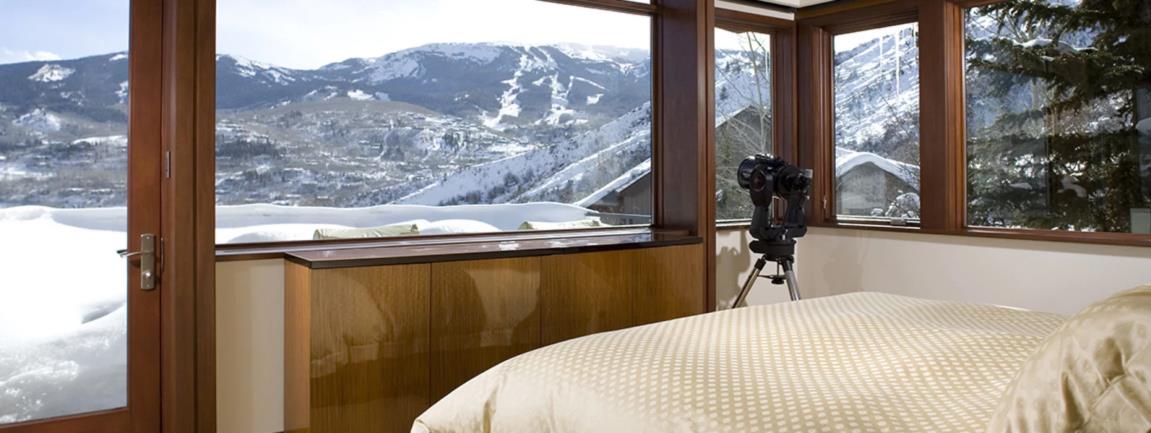
A must-read for anyone designing or building their dream home in high-elevation terrain.
By Mark Noel – Architect, Inc.
Designing a custom home in a mountain setting is a dream come true for many—but it can quickly become a nightmare without the right preparation. From harsh weather conditions to strict permitting processes, building in a mountain environment comes with a unique set of challenges. At Mark Noel Architecture, we’ve seen firsthand how smart planning and experienced design can turn potential pitfalls into beautiful, lasting results. In this guide, we’ll share the ten most common mistakes—and how to avoid them—to ensure your mountain dream home becomes a reality.
1. Ignoring Site Orientation and Sun Path
Failing to orient the home to optimize natural light and passive solar gain leads to cold, dark, and expensive-to-heat homes, not to mention a very icy driveway! Solution: Work with an architect early to study your site’s solar exposure, prevailing winds, and views.
2. Underestimating Snow Loads and Roof Design
Snow buildup can cause leaks, warping, or even collapse.
Solution: Use steep roof pitches, durable materials, and proper structural engineering.
Pro-Tip: Want a modern flat-roof look? We design slight slopes, reinforce structure, and use high-performance membranes built for heavy snow.
3. Overlooking Access and Driveway Logistics
Steep or poorly planned driveways can block emergency vehicles, complicate builds, and become unusable in snow.
Solution: We design access for safety, snow removal, and year-round functionality—without sacrificing aesthetics.
4. Rushing the Permitting Process
Mountain areas often have strict regulations, making permitting complex.
Solution: Hire a local architect experienced in navigating these rules.
5. Choosing the Wrong Materials for Climate Resilience
Alpine weather is tough on finishes and materials.
Solution: Specify products rated for temperature swings, moisture, fire risk and UV exposure.
6. Ignoring Fire Risk and Defensible Space
Mountain homes are often located in wildfire-prone areas, making fire risk a real concern.
Solution: Incorporate defensible space around the home, use fire-resistant materials, and follow local Firewise guidelines.
7. Inadequate Foundation Planning
Sloped terrain, freeze-thaw cycles, and poor soil can wreak havoc on foundations if not properly addressed.
Solution: Conduct a geotechnical survey and design foundations that accommodate site-specific challenges.
8. Overdesigning for the Site
Trying to force a design that fights the topography can dramatically increase costs and construction time.
Solution: Let the land guide the design—embrace slopes, views, and natural features to enhance both form and function.
9. Overlooking Mechanical Systems and Access
Mountain climates demand efficient and accessible HVAC and plumbing systems, yet these are often afterthoughts.
Solution: Plan for utility access, mechanical room sizing, and systems that perform well in cold climates.
10. Forgetting About Lifestyle Functionality
Remote work, gear storage, mudrooms—today’s mountain homes serve multiple roles.
Solution: Consider flexible spaces, built-in storage, and entry transitions that work for year-round mountain life.
Let’s Bring Your Mountain Home to Life
Your dream home deserves more than guesswork—it deserves vision, expertise, and precision. At Mark Noel Architecture, we don’t just design homes; we craft high-elevation sanctuaries that are resilient, refined, and rooted in the landscape.
Avoid the costly missteps. Elevate your design. Let’s create a mountain home that works beautifully—for today, and for decades to come.
👉 Schedule your consultation now at mnarchitect.com/contact
About Mark Noel Architecture Mark Noel Architecture is a Colorado-based design studio specializing in custom residential architecture rooted in place, purpose, and beauty. With deep expertise in mountain and high-elevation environments, we create homes that are as functional as they are inspiring—responsive to both landscape and lifestyle. From initial vision to final detailing, our work is defined by clean lines, natural materials, and enduring design principles that reflect the unique character of every client and site.
Frequently Asked Questions
Not particularly, but mountain towns often require additional environmental and structural reviews. A local architect can help streamline the process.
Timelines vary, but most projects take 3 months to 1 year depending on jurisdiction requirements, site complexity, and the level of customization you need. Starting early and working with an experienced architect helps keep things on track.
Durable, weather-resistant materials like metal roofing, fiber cement siding, and triple-glazed windows are recommended.
Not always. Weather and road access can limit construction windows—most projects break ground in spring or early summer.